
Anyone who has lived through a hidden water leak knows the dread that follows. A damp patch on the ceiling, a mysterious water stain spreading down a wall, a sudden spike in your PUB bill – and then the awful question: where exactly is it coming from? In years past, the default answer was almost always the same. Hack the wall. Hack the ceiling. Hack the floor. Find the pipe, fix the pipe, then spend twice as much rebuilding everything that was destroyed to get to it.
It is a process that frustrates every homeowner who has been through it. You arrive home to dust everywhere, ruined tiles, exposed conduits, and a renovation bill that dwarfs the original repair. Worse, sometimes the first wall hacked is not even the right one, and the demolition has to continue. Modern leak detection service Singapore providers have moved well past this approach, using technology that pinpoints leaks accurately before any tile or wall is touched.
Thermal imaging cameras detect surface temperature differences invisible to the naked eye. Because water carries heat differently from dry concrete and tile, a hidden leak shows up on a thermal image as a distinct cool or warm anomaly – a fingerprint of moisture beneath the surface. A skilled technician can scan a ceiling, wall, or floor and read the patterns to trace the route of water back to its source.
Thermal imaging is especially valuable for ceiling leak detection in Singapore homes, where seepage can travel laterally for several metres before showing up as a stain. Without thermal imaging, the visible stain might be far from the actual leak, leading to wasted demolition. With it, the contractor can see the full extent of the wet area and identify the highest, original point – almost always the true source.
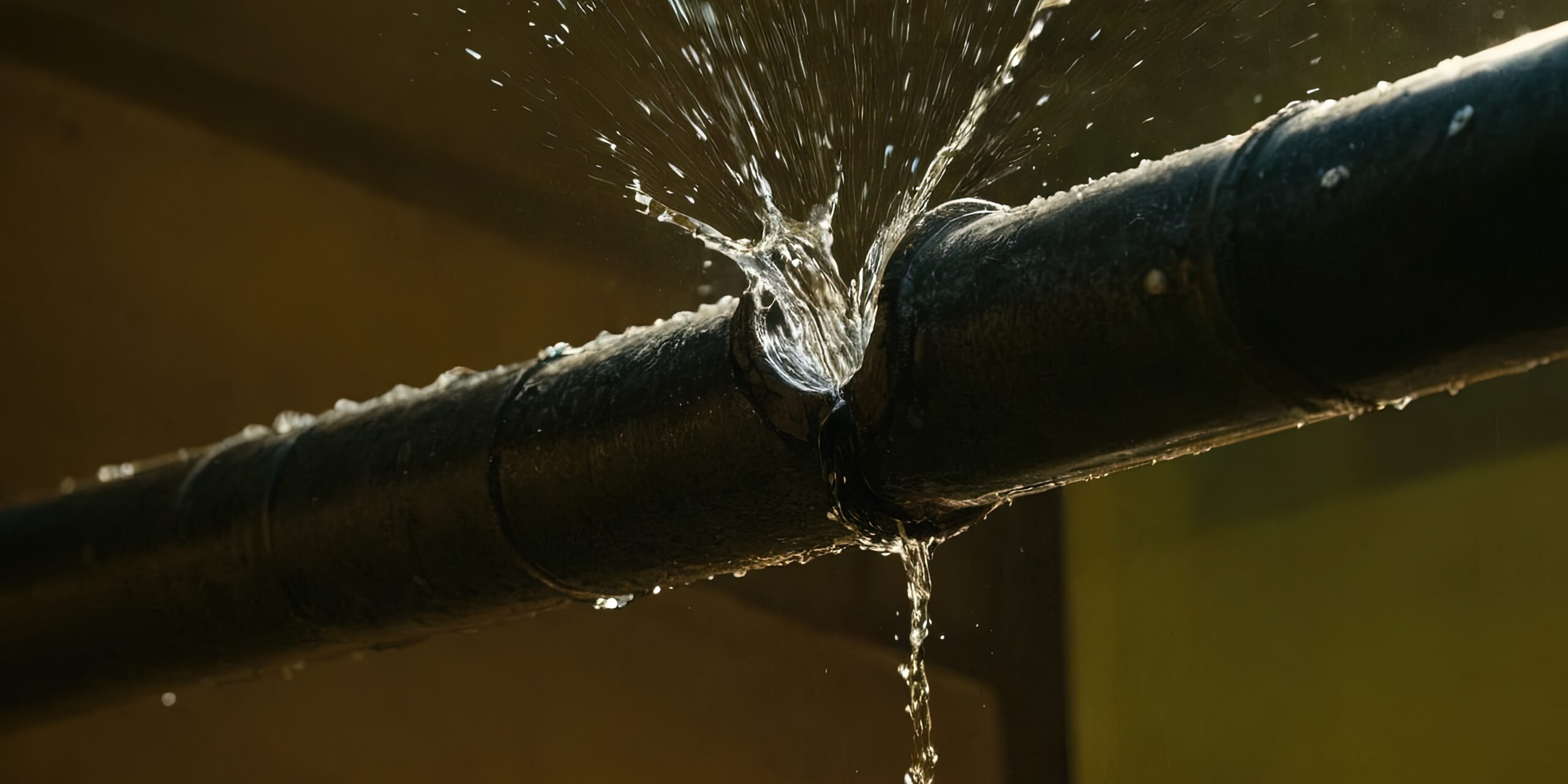
Pressurised water pipes, when they leak, make sound. Not the kind your ear can pick up through a wall, but a distinctive high-frequency hiss or rumble that specialised acoustic equipment can isolate. Technicians use ground microphones and contact sensors placed on the wall, floor, or directly on the pipework, then move methodically across the area until the signal peaks at the leak point.
Acoustic detection is particularly useful when the leak is in a buried or concealed supply pipe – the kind that runs through floor screed or behind a tiled wall. For pipe leakage repair Singapore contractors deal with, this is often the difference between hacking a 3-metre stretch of wall and opening up a single tile exactly where the leak sits.
Moisture meters are the workhorse of any leak detection visit. They come in two main types: pinless meters that read moisture levels just below the surface, and pin-type meters that take precise readings at specific depths. By mapping moisture readings across a wall or floor, a technician builds a picture of where the wet zone begins and ends – useful both for confirming a thermal finding and for tracking how a leak has spread.
Pipe inspection cameras, also known as borescopes, are the other key tool. A small waterproof camera on a flexible cable is fed through floor traps, drain openings, or small exploratory holes, sending a live video feed back to the technician. This is invaluable for checking the inside condition of drain pipes, identifying cracks, blockages, or root intrusion that contribute to ongoing water leakage solutions you will need to consider.
There is no single ‘best’ method – each leak demands the right tool. For a stained, damp ceiling, technicians usually start with thermal imaging to map the wet zone, then narrow down with moisture meters. For a suspected supply-pipe leak in a wall, acoustic detection comes to the front. For drainage issues, pipe inspection cameras are the most direct way to see what is going on inside the line.
The reality is that an experienced team uses several of these tools in combination. The thermal camera might highlight three suspect zones; the moisture meter narrows the field; the acoustic sensor confirms the exact point. By layering the evidence, the technician can deliver a recommendation that is far more accurate than any single-tool diagnosis. This is what distinguishes a serious leak detection service from a guess-and-hack approach.
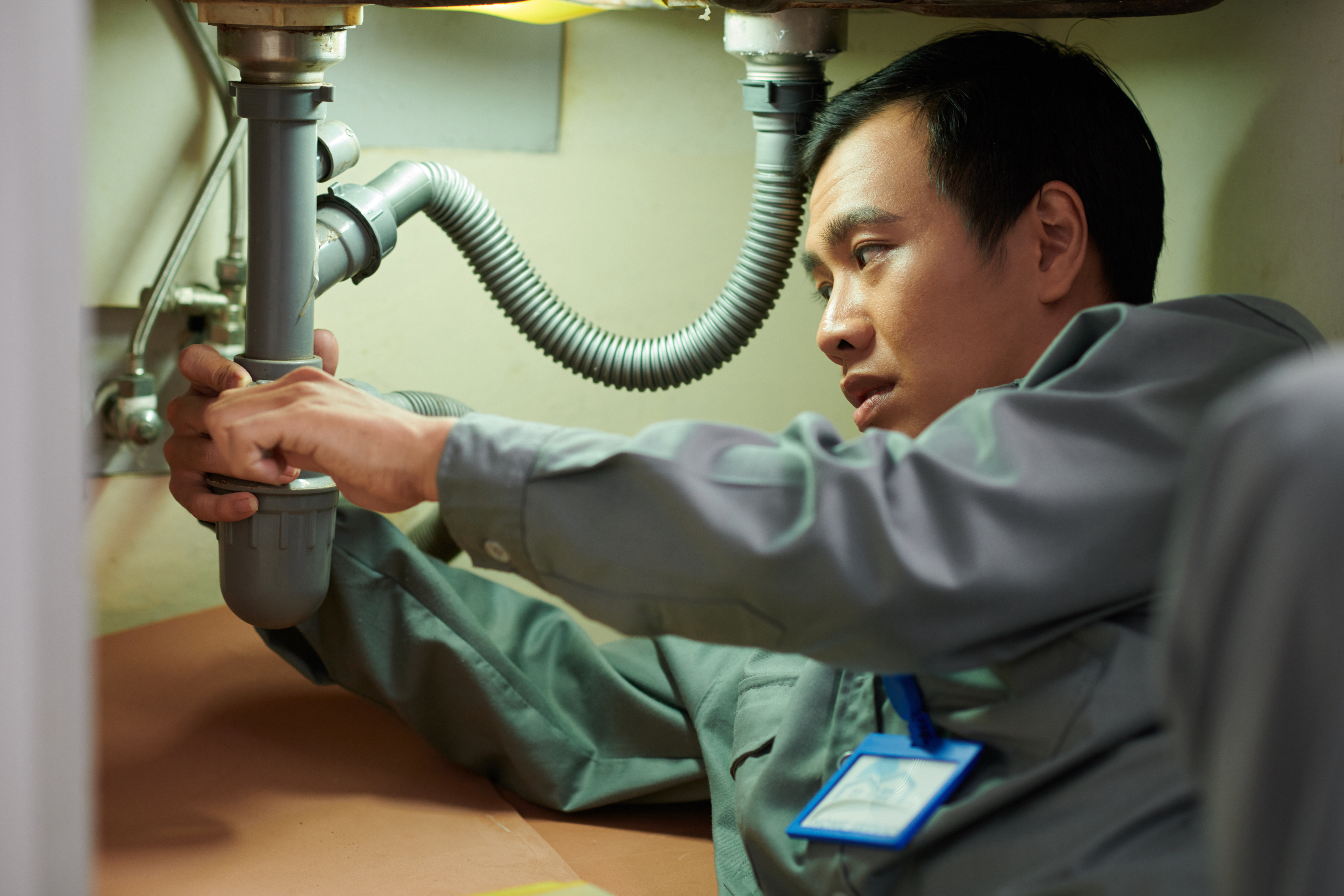
A proper leak detection visit usually starts with a conversation. The technician will ask when the problem first appeared, whether your water bill has spiked, whether anyone has done recent renovation, and what you have already tried. They will then perform a visual inspection and a meter check at your main water meter – sometimes the leak is on the supply side and the meter test alone provides a strong clue.
From there, they will deploy the right combination of tools: thermal imaging across the affected area, moisture mapping, acoustic listening, and camera inspection where appropriate. A good service ends with a clear report – photos, thermal images, marked-up plans where useful, and a recommended fix scope. Whether you need ceiling leak repair Singapore standards demand, roof leak repair Singapore homes commonly require, or simply a small pipe replacement, the report should leave you with a clear understanding of what to do next.
It is tempting, when water is dripping into your living room, to call the cheapest available handyman, hack the most obvious spot, and hope for the best. The problem is that leaks are rarely where they appear to be. Water travels along beams, runs down wall cavities, follows electrical conduits, and often surfaces metres away from the source. A repair based on a guess fixes the symptom, not the cause – and the leak comes back, usually worse than before.
Investing in accurate detection upfront does three things. It identifies the real source, so the repair actually solves the problem. It minimises hacking, so reinstatement costs stay low. And it gives you documentation that may be useful for insurance claims or MCST disputes. Across nearly every case, the cost of a professional leak detection service is recovered many times over in avoided rework, smaller repair scopes, and a problem that stays solved.
Hidden leaks used to mean broken walls, dusty rooms, and inflated repair bills. They do not have to anymore. With thermal imaging, acoustic sensors, moisture meters, and inspection cameras, today’s leak detection professionals can find a leak with surgical precision and tell you exactly where to open up – often nowhere more than the size of a single tile.
If you are dealing with a damp ceiling, a strange water stain, or a water bill that is creeping up for no obvious reason, resist the urge to start hacking. Bring in a leak detection service equipped with the right tools and the experience to interpret what they find. You will save money, protect your finishes, and get to the bottom of the problem the first time around – not the third.
How accurate is non-destructive leak detection?
When performed by an experienced technician using the right combination of thermal, acoustic, and moisture tools, non-destructive leak detection is highly accurate – often within centimetres of the actual leak point. The accuracy depends heavily on the technician’s skill at interpreting the data, not just the equipment itself.
How long does a leak detection service in Singapore take?
Most residential inspections take between one and three hours, depending on the size of the property and the complexity of the leak. Larger commercial properties or cases involving multiple suspected leaks can take longer. You will usually receive an initial verbal finding on site, with a written report following within a day or two.
Will my insurance cover the cost of leak detection and repair?
Coverage varies by policy. Many home insurance plans in Singapore cover sudden, accidental water damage caused by a burst pipe, but exclude gradual seepage. Some insurers reimburse leak detection fees if the cause is found to be insurable. Always check your policy wording and keep all reports and invoices as supporting documentation.
Can leak detection find leaks in roofs and external walls too?
Yes. The same thermal and moisture tools work on roofs, parapets, and external walls, though wind and weather can affect readings, so timing matters. For roof leak repair Singapore properties commonly need, technicians often combine thermal imaging with controlled water testing – flooding specific areas in sequence – to pinpoint the entry point before any repair work begins.
What should I do while waiting for a leak detection appointment?
If the leak is active and dripping, place containers to catch water, switch off electrical circuits in the affected area if there is any risk of contact with water, and take dated photos of stains and damage. If you suspect a supply pipe leak, you can shut off the main water valve when the property is unoccupied. Avoid hacking or attempting DIY fixes – they often complicate the diagnosis.