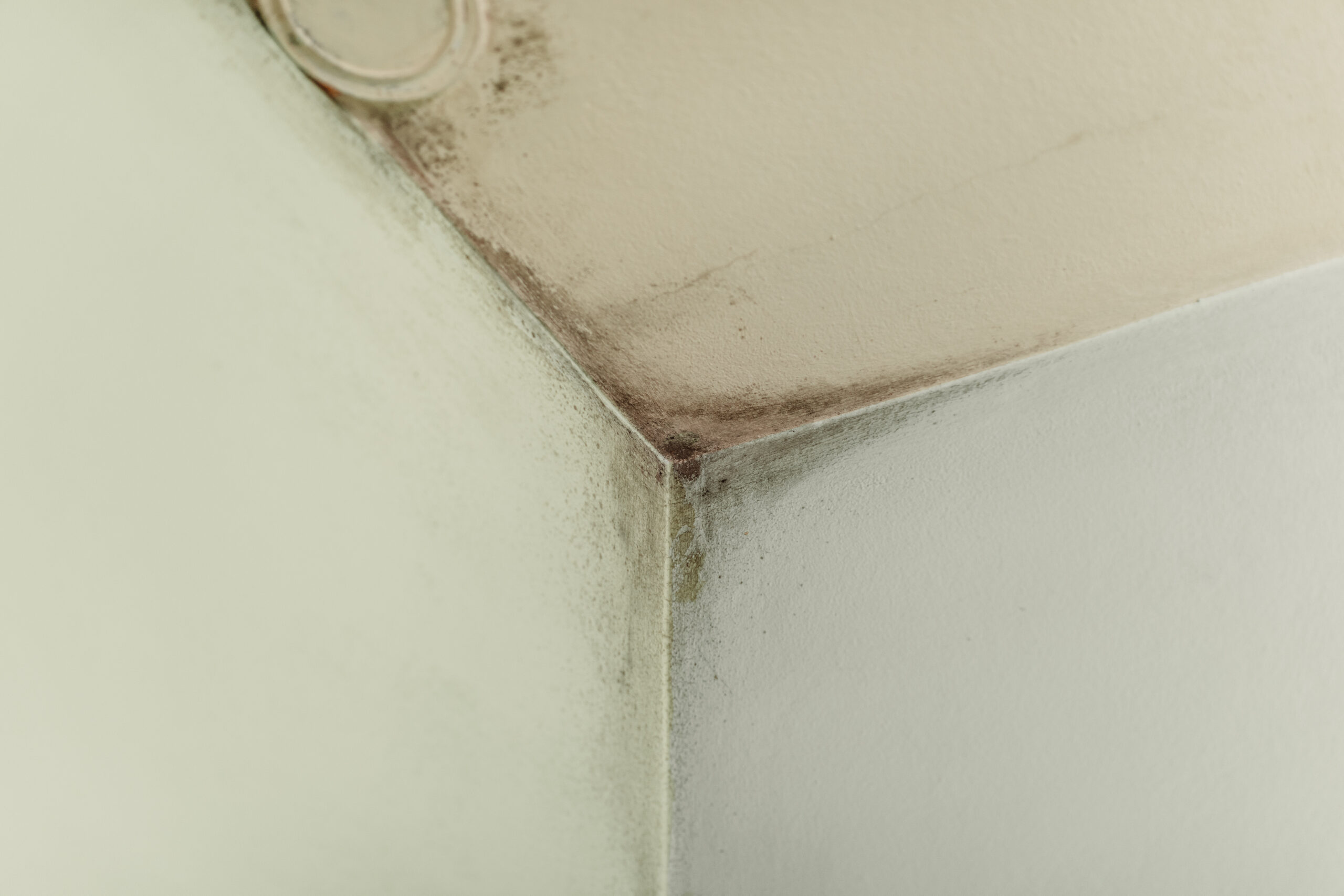

If you have ever looked up at your ceiling and noticed flakes of concrete on the floor, a patch of exposed steel rebar, or a brown rust stain creeping along a beam, you have already met spalling concrete. It is one of the most common defects in Singapore properties, especially in older HDB flats, condominiums, and commercial buildings that have weathered decades of humidity, rain, and constant temperature swings.
Here is the part most owners do not want to hear: spalling concrete never repairs itself. It is not a cosmetic issue that you can paint over and forget. The moment the steel reinforcement inside your concrete starts rusting, a chain reaction begins – one that quietly eats away at the structural integrity of your home or building until the cost of fixing it multiplies several times over. Many owners only call spalling concrete repair contractors when chunks of concrete have already fallen, by which point what could have been a simple patch has become a major repair job.
Spalling does not happen overnight. It moves through fairly predictable stages, and recognising where you are in that timeline can save you thousands of dollars. It usually starts with small hairline cracks on a ceiling or beam – easy to dismiss as cosmetic. Moisture seeps in through these cracks and reaches the steel reinforcement. The steel begins to rust, and as rust occupies more volume than the original metal, it pushes outward against the surrounding concrete.
Within months, you will start to see brown rust stains, followed by bulging or hollow-sounding patches. Then the concrete cover begins to flake away, exposing the corroded rebar beneath. By the time you can clearly see rusted steel, the cross-section of that rebar has already been reduced – meaning the beam or slab is no longer carrying load the way it was designed to. This is the point where homeowners typing ‘spalling concrete repair Singapore’ into Google urgently are usually no longer dealing with a small fix.
The most immediate concern with untreated spalling is straightforward: pieces of concrete can – and do – fall. In a high-rise context, even a fragment the size of a fist falling from a ceiling onto a person below can cause serious injury. Inside a unit, falling concrete from the ceiling can damage furniture, electronics, or hit family members and pets.
Beyond the physical danger, there is also the question of liability. If a piece of spalled concrete falls from your balcony soffit and injures someone walking below, or damages a neighbour’s air-conditioner unit, you may find yourself personally responsible. Insurance claims often hinge on whether the owner had been notified of the defect and chose to ignore it. Once you know spalling is present, the responsibility to fix concrete spalling sits squarely with you.
Singapore takes building safety seriously. Under the Building Maintenance and Strata Management Act, owners and MCSTs have clear obligations to maintain their property in a safe and sound condition. The Building and Construction Authority (BCA) regularly issues advisories on common defects, and spalling concrete is high on that list. For HDB flats, residents are responsible for spalling within their own unit, while HDB handles defects in common areas.
Ignoring a known defect is not just a personal risk – it can also have legal consequences. MCSTs can be issued notices to rectify visible structural defects in common property, and individual owners can be held accountable if their negligence contributes to harm. Engaging qualified spalling concrete repair contractors and keeping documentation of the works done is the cleanest way to demonstrate that you have acted responsibly.
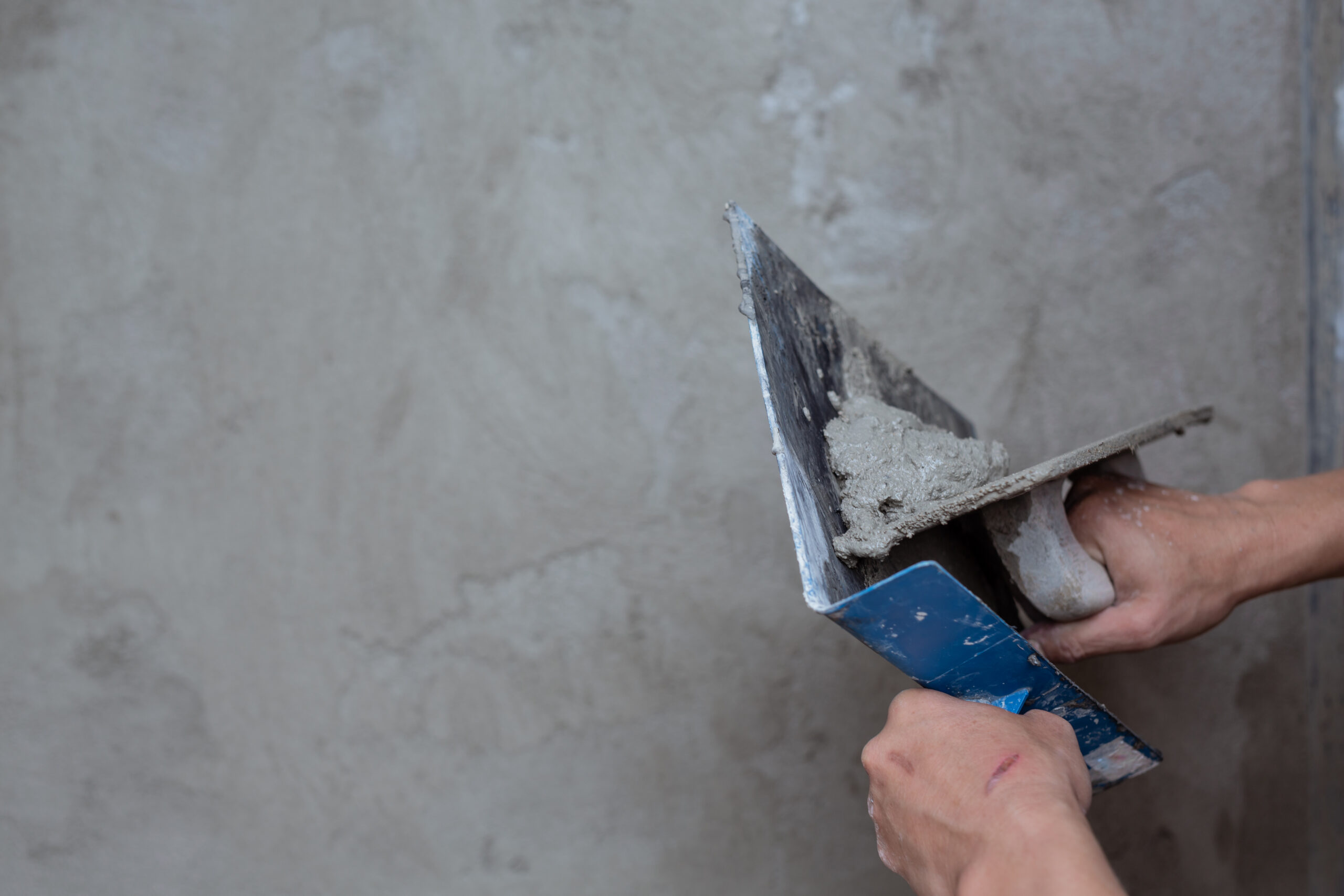
This is where the cost equation becomes painful. A small spalling patch caught early – say, a 30cm section of ceiling – can often be fixed in a single afternoon. The contractor removes the loose concrete, treats the exposed rebar with a rust inhibitor, applies a bonding agent, patches with polymer-modified mortar, and finishes with skim coat and paint. It is tidy, affordable, and over before dinner.
Leave that same patch for three or four years and the picture changes completely. The rust spreads along the rebar, weakening multiple metres of reinforcement. The damaged area expands outward and sometimes through the slab. Now the repair involves extensive hacking, possibly epoxy injection for concrete crack repair Singapore-wide standards demand, partial replacement of reinforcement bars, and structural assessments before reinstatement. What might have been a few hundred dollars becomes several thousand, plus the disruption of major works at home.
Property buyers in Singapore are sharp. During viewings, visible signs of spalling – stains, patches, exposed rebar, hollow-sounding ceilings – immediately raise red flags. Even if a sale goes ahead, buyers will use it to negotiate the price down significantly, often by more than the actual cost of repair. For owners planning to sell, untreated spalling is one of the easiest ways to lose money on what should have been a simple touch-up.
For landlords, the situation is just as awkward. Tenants will not stay in a unit where concrete is flaking off the ceiling. Even if they tolerate it temporarily, you risk rental rebates, early lease termination, or formal complaints. Treating HDB concrete repair Singapore issues as part of routine upkeep, rather than waiting for tenants to escalate, protects both your asset value and your reputation as a landlord.
There comes a point at which a simple patch is no longer enough. If multiple sections of the same beam are affected, if the rebar has lost a significant portion of its cross-section, or if cracks have widened into structural fissures, a qualified contractor will recommend a more involved intervention. This may include structural strengthening with carbon fibre wraps, section enlargement, or in serious cases, engagement of a Professional Engineer to assess and design the repair scheme.
None of this is necessary if spalling is caught early. The single biggest factor in keeping repair costs and disruption low is timing. The earlier you engage spalling concrete repair specialists, the smaller the scope and the lower the cost.
Spalling concrete is one of those defects that punishes procrastination. It starts quietly, moves slowly, and then suddenly becomes serious – usually at the worst possible time, like right before you are about to sell, lease out, or host family for the holidays. The good news is that the fix, when done early, is genuinely manageable.
If you have noticed cracks, stains, or flaking on your ceilings, beams, or balcony soffits, do not wait for the next chunk to fall. Get a proper inspection from experienced spalling concrete repair contractors, understand the scope, and take care of it while it is still small. Your wallet, your tenants, and your peace of mind will thank you.
How do I know if the spalling in my flat is serious?
Tap the affected area gently with a coin or a small tool. If it sounds hollow, the concrete underneath is likely already detached. Visible rust stains, exposed rebar, or pieces of concrete that have already fallen are clear signs that you should call a contractor for spalling concrete repair Singapore-wide standards consider non-negotiable.
Is spalling concrete covered under HDB warranty or MCST responsibility?
For HDB flats, spalling within your own unit is typically the homeowner’s responsibility, while spalling in common corridors, lift lobbies, and external facades is handled by HDB. In condominiums, defects within the unit fall on the owner, while common property issues are the MCST’s domain. Always check your specific lease and MCST by-laws.
How long does HDB concrete repair Singapore typically take?
A small to mid-sized patch repair usually takes one to two days, including drying time between coats. Larger jobs involving multiple beams, ceiling sections, or balcony soffits may take a week or more. Reputable contractors will give you a clear timeline after a site inspection.
Can I just paint over spalling concrete to hide it?
No. Painting over spalling traps moisture inside, accelerates corrosion of the rebar, and leads to bigger problems down the line. The proper approach involves removing loose concrete, treating the exposed steel, and using bonding agents and repair mortars before finishing. Skipping these steps is one of the most common mistakes homeowners make.
Will my home insurance cover spalling concrete repair?
Most standard home insurance policies in Singapore do not cover gradual deterioration like spalling, since it is considered a maintenance issue rather than a sudden, unforeseen event. Damage caused by falling concrete to other items in your home or to third parties may be treated differently. Speak to your insurer to clarify what is and is not covered.