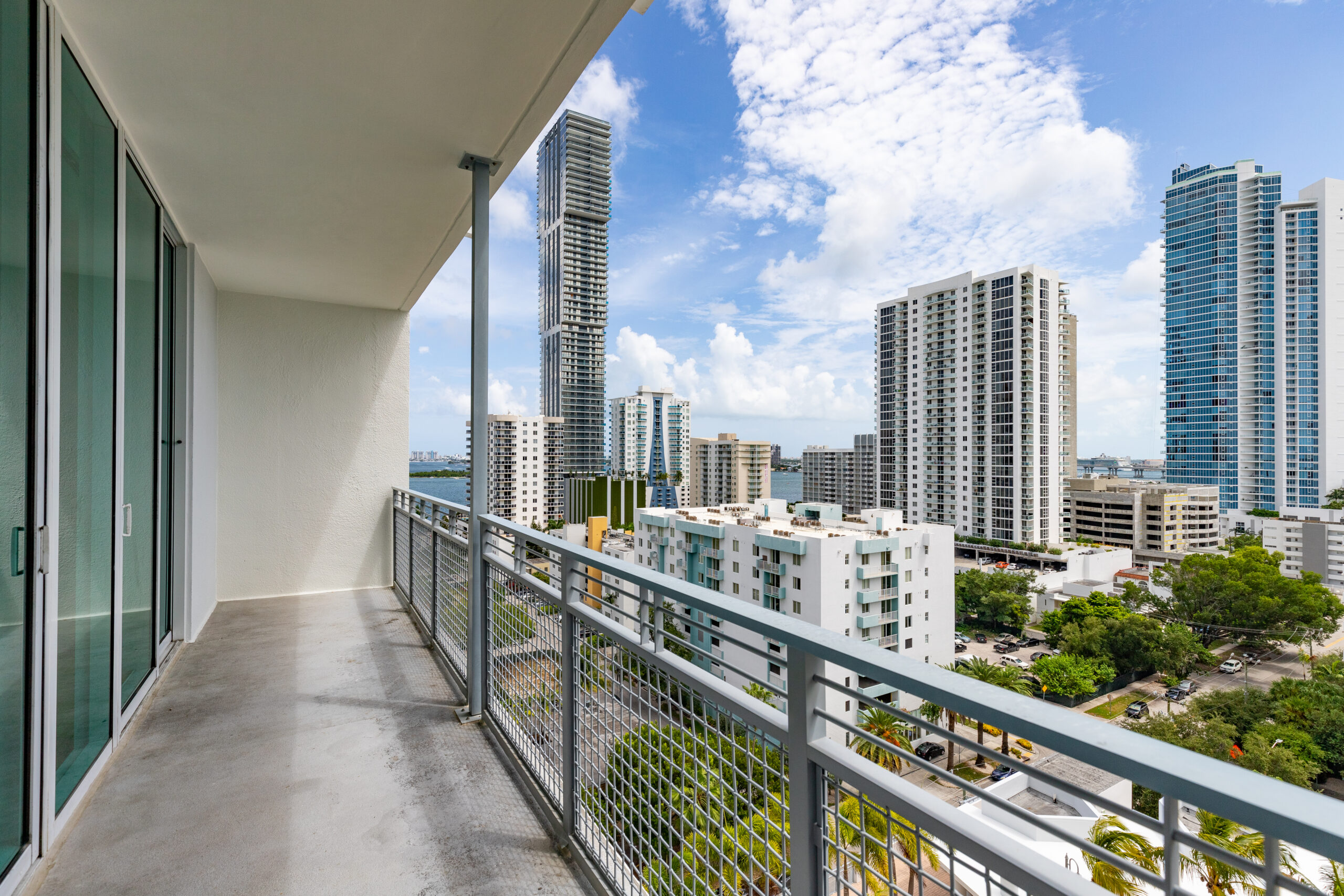

On paper, moving office in Singapore looks straightforward. Pack the boxes, book the lorry, hand over the keys, plug in the workstations at the new place. In reality, anyone who has actually managed a corporate relocation knows that the physical move is the easy part. The headache lies in everything that surrounds it: stripping out the old unit so you get your security deposit back, fitting out the new space so it actually functions, sorting out power and data before your team walks in on day one, and keeping the new office running smoothly long after the dust settles.
Singapore’s commercial leasing market is competitive, deadlines are tight, and landlords are strict. A reinstatement clause that is not properly executed can wipe out a substantial chunk of your deposit. A fit-out that is rushed or poorly coordinated can delay your move-in by weeks. Network points installed in the wrong locations can force expensive rework once the furniture arrives. Each of these moments needs the right trade, the right licence, and the right sequencing.
This guide walks you through every trade and service you will likely need when relocating an office in Singapore – from reinstatement works construction at your outgoing premises to interior fitting out works at your new home, plus the electrical, network cabling and ongoing property maintenance services that hold it all together.

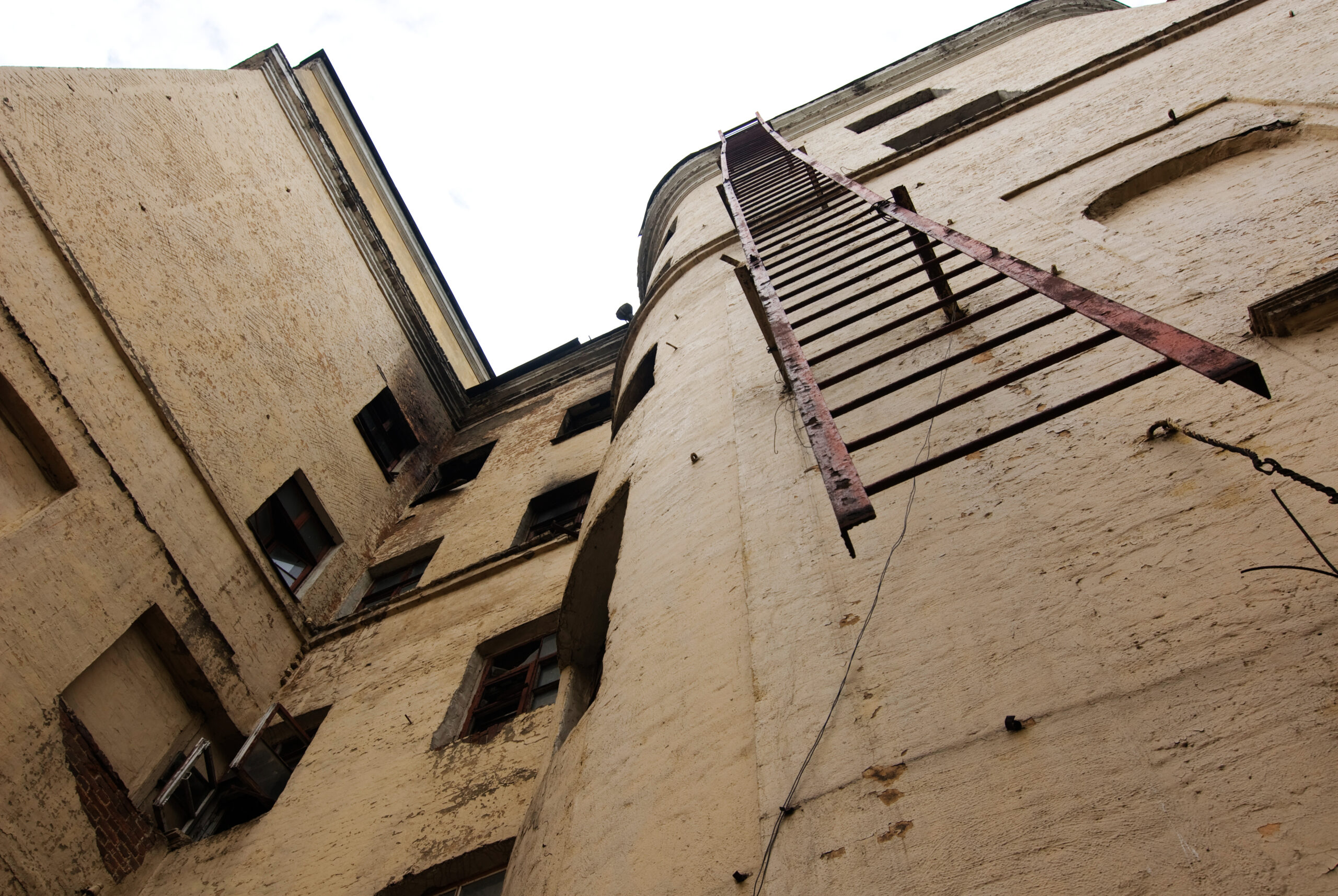
Almost every commercial lease in Singapore contains a reinstatement clause. In simple terms, it requires you to return the unit to its original bare condition – the same state it was in when you first received the keys. This usually means hacking off partitions, removing built-in carpentry, taking down ceilings and lighting added during your tenancy, removing cabling, patching walls, and repainting. Done badly, you fail the landlord’s joint inspection, lose part of your security deposit, and may even be charged for the landlord to complete the work themselves.
Reinstatement works construction is more than demolition. It needs to be planned around the building’s permitted work hours (in many CBD towers and business parks, hacking and noisy works are only allowed after 6pm or on weekends), coordinated with the building management for hot work permits, and executed in a way that does not damage the base building’s M&E systems. Floor finishes, false ceiling grids, sprinkler heads, smoke detectors and air-conditioning ducting all need to be handled with care.
A good contractor will start by reviewing your original handover documents and the landlord’s reinstatement specifications, then walk the unit with you to identify everything that needs to go. They will provide a clear scope, manage debris removal in line with building rules, and arrange the final inspection so you can hand over keys with confidence. The cost of getting this right is almost always smaller than the deposit you stand to lose by getting it wrong.

Once you have a new unit, interior fitting out works transform the empty shell into a working office. This typically covers space planning, partitioning for meeting rooms and private offices, carpentry for reception counters and pantries, flooring, ceiling works, glass doors, lighting layout, painting, and signage. For most Singapore offices, fit-out is the single biggest line item in the moving budget.
The most common mistake at this stage is treating the fit-out as a purely aesthetic exercise. Your interior layout drives where every electrical socket, data point, light switch and air-con vent needs to sit. If the plan is finalised in isolation from the M&E trades, you end up with boardroom tables that are nowhere near a power outlet, workstations that depend on extension cords trailing across walkways, and meeting rooms with no proper provision for video conferencing.
Fit-out works in Singapore also need to comply with landlord guidelines, BCA and SCDF requirements where applicable, and the building’s house rules on materials, working hours, and lift bookings. Many MCSTs require fit-out drawings and contractor details to be submitted and approved before any work begins. Engaging a contractor who handles this paperwork as part of the package, rather than leaving it to you, can save days of back-and-forth and keep your move-in date on track.
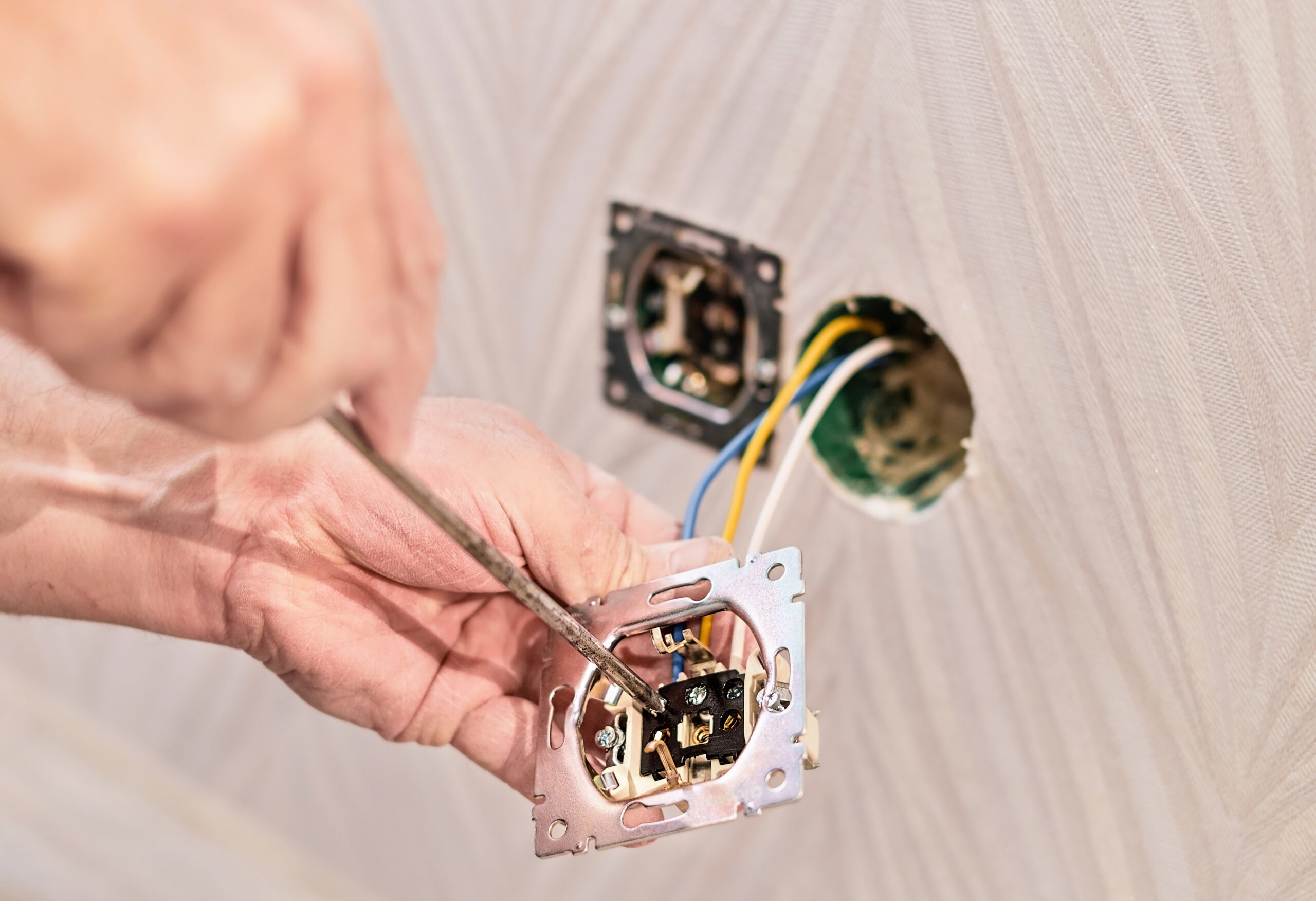
Power is the silent backbone of every office. The moment you plan workstations, server racks, printers, coffee machines, AV equipment and lighting, you are committing to an electrical load that the base building supply must comfortably support. In Singapore, any new electrical installation work, distribution board modification, or load increase must be carried out and certified by a Licensed Electrical Worker (LEW) under Energy Market Authority (EMA) regulations.
A reliable electrical maintenance company will start by reviewing your fit-out drawings and the existing distribution board, then design a circuit layout that accounts for general power, dedicated circuits for high-load equipment, lighting, and emergency lighting where required. They will run conduits, install sockets and switches in the right positions, terminate everything properly, and test each circuit before energising. Where applicable, they will also handle the submission and certification with SP Group so your supply is approved and safe to use.
Beyond the initial installation, ongoing electrical maintenance services matter just as much. Loose terminations, overloaded circuits, ageing distribution boards and faulty RCDs are common causes of nuisance trips and, in worst cases, electrical fires. Scheduled inspections, thermal scans of distribution boards, and prompt repair of faulty sockets and lighting protect both your people and your equipment. Choosing one electrical maintenance services provider for both installation and ongoing upkeep means a single point of accountability for your office’s entire electrical system.
Wi-Fi has made many people forget about structured cabling, but every serious office in Singapore still relies on a properly designed wired network. Workstations, IP phones, printers, access points, CCTV cameras, door access controllers and AV systems in meeting rooms all perform more reliably on cable than on wireless. The time to plan this is before the carpentry goes in, not after the staff have moved in.
A competent network cabling contractor will translate your floor plan into a cabling schematic: the location of the main comms rack, the routes for cable trays and trunking above the false ceiling, and the exact position of every data point at every workstation, meeting room and common area. They will recommend the right standard for your needs – typically Cat6 or Cat6a for general office use, with fibre backbones where required – and ensure that cable runs stay within the maximum length allowed by the standard.
Equally important is the quality of installation. Cables that are bent too sharply, run too close to electrical conduits, or terminated poorly will degrade network speeds and cause intermittent faults that are a nightmare to diagnose later. A reputable network cabling service uses proper labelling, performs certified testing on every point with a calibrated tester, and hands over a clear test report and as-built drawings. That documentation becomes invaluable the next time you need to add a desk, troubleshoot a slow connection, or hand over to a new IT team.
Reinstatement, fit-out, electrical and network cabling are four very different trades, and a typical office move requires all of them to land in the right sequence. Demolition has to finish before fit-out can start. Electrical conduits and data cabling have to be installed before ceilings are closed up. Power has to be live before air-conditioning, lighting and IT systems can be commissioned. Get the sequence wrong, and trades end up waiting for each other, costs creep up, and your move date slips.
When each trade is engaged separately, the burden of coordinating them falls squarely on you or your office manager. You become the messenger between the carpenter who needs to know exactly where the data points go, the electrician who needs to know the final partition layout, and the network cabling contractor who needs to know when the ceiling will be closed. Every email missed and every call delayed adds friction to an already stressful project.
Engaging a single integrated services provider – one team that handles reinstatement works construction, interior fitting out works, electrical installation, and network cabling under one project manager – cuts most of that friction out. Schedules are aligned internally, drawings are shared between trades automatically, and any clash is resolved on site rather than in a long email chain. You get one quotation, one invoice trail, one accountable point of contact, and a much better chance of moving in on the date you originally promised your team.

Move-in day is not the finish line – it is the start of a multi-year tenancy in which the office needs to look and function as well as it did on day one. Light fittings will fail, tap fittings will leak, partitions will need touch-ups, air-con will need servicing, and the occasional after-hours emergency will land on someone’s desk. Without a plan, every small issue becomes a scramble to find a contractor who can attend at short notice.
A dedicated property maintenance company gives you a single number to call for any of these issues. The best property maintenance services in Singapore go beyond reactive call-outs: they offer planned preventive maintenance schedules covering electrical inspections, plumbing checks, air-conditioning servicing, painting touch-ups and general handyman works, all bundled under one agreement. Issues are spotted and fixed before they disrupt your operations, and your office consistently presents well to clients and visitors.
There is also a strong commercial logic to consolidating fit-out and ongoing maintenance with the same provider. The team already knows your space – they installed the wiring, they laid out the partitions, they remember which switch controls which zone. That institutional knowledge means faster diagnosis, fewer site visits, and better continuity over the life of your lease. When the lease eventually ends and reinstatement comes around again, the same partner is ready to close the loop.
Moving office in Singapore is rarely just about boxes and lorries. It is a coordinated programme of reinstatement, fit-out, electrical works, structured cabling and ongoing maintenance, each with its own regulations, timelines, and quality standards. Treat any of these as an afterthought and the cost shows up later – in a forfeited deposit, a delayed move-in, a frustrated team, or a string of avoidable breakdowns.
Whether you are about to hand back your old unit, kit out a new one, or lock in a long-term maintenance partner for the years ahead, the smartest move is to bring all four trades under one roof from the very start. B+W Integrated Services covers reinstatement works construction, interior fitting out works, electrical maintenance services and network cabling service across Singapore, and stays on as your property maintenance company long after the move is done – so your team can focus on the business, not the building.
How much does office reinstatement cost in Singapore?
Reinstatement costs vary based on the size of the unit, the extent of the original fit-out (more partitions, carpentry and ceiling works mean more to remove), the building’s working-hour restrictions, and the disposal volume. As a rough guide, most CBD office units fall within a per-square-foot range that a contractor can quote accurately after a site survey. Always get a fixed-scope quotation against your landlord’s reinstatement specifications rather than a vague lump sum.
How long do reinstatement works take?
For a typical small to mid-sized office, reinstatement works construction usually runs between one and three weeks once the team is on site. The bigger variable is when you are allowed to work – many Singapore commercial buildings restrict noisy hacking to evenings and weekends, which extends calendar time even when the actual man-hours are short. Plan for this when negotiating your lease handover date.
Do I need a Licensed Electrical Worker (LEW) for my office electrical works?
Yes. Under Singapore’s Electricity Act, any new installation, alteration, or addition to an electrical installation that exceeds the unlicensed threshold must be carried out or supervised by a Licensed Electrical Worker, and certified accordingly. Engaging an electrical maintenance company that has LEWs in-house ensures your installation is compliant, safe, and properly documented for any future audit or insurance claim.
Should I use Cat6 or Cat6a cabling for a new office?
For most general office use today, Cat6 supports gigabit speeds comfortably and is the practical minimum. Cat6a is recommended if you are planning for 10 Gigabit Ethernet, running high-density Wi-Fi access points, or want to future-proof the cabling for the next 10 years of the lease. A good network cabling contractor will recommend the right standard based on your actual usage rather than upselling unnecessarily.
Do I need landlord approval before starting fit-out works?
In almost every commercial building in Singapore, yes. Landlords and MCSTs typically require fit-out drawings, contractor details, insurance certificates, and a fit-out deposit before any work begins. Some buildings also require approval of specific materials and submissions to BCA or SCDF for more extensive works. A contractor who handles these submissions as part of their interior fitting out works package will save you significant time.
What is the benefit of a long-term property maintenance contract?
A long-term agreement with one property maintenance company gives you predictable monthly costs, priority response times for breakdowns, and scheduled preventive checks that catch small issues before they escalate. It also means a team that already knows your premises – your distribution board, your cabling layout, your air-con units – leading to faster repairs and less downtime compared with calling a different vendor every time.