
In Singapore’s tropical climate, water finds a way into everything. Wet areas – the parts of your home that are routinely exposed to water – sit at the front line of that battle. We are talking about toilets, bathrooms, kitchens, balconies, planter boxes, yards, and any outdoor terraces. These zones experience constant wetting, drying, and the occasional flood from a forgotten tap or a heavy thunderstorm.
Standard plaster and tile alone are not waterproof. Without a proper membrane underneath, water seeps through grout lines, hairline cracks, and floor-to-wall junctions, eventually saturating the concrete slab. From there, it travels – sometimes downwards into your neighbour’s ceiling, sometimes into adjoining rooms – causing damp patches, peeling paint, and the slow corrosion of any rebar within the slab. Engaging professional waterproofing services for wet areas is not a luxury. It is the foundation of a dry, healthy home.
Ask any waterproofing contractor Singapore homeowners turn to, and they will tell you the same thing: toilets are by far the most common origin of water seepage complaints. The reasons are simple. Toilets see daily wet usage, often for decades. They contain multiple plumbing penetrations through the slab – for the bowl, the floor trap, the shower drain, and sometimes the basin. Each of those penetrations is a potential weak point if the original waterproofing was rushed or has aged out.
On top of that, many older HDB flats and condominiums were built with waterproofing systems that simply have not aged well. After 15 to 25 years, the original membrane becomes brittle, loses adhesion, or develops cracks that mirror movement in the slab. Once that happens, every shower someone takes is quietly delivering water into the structure beneath.
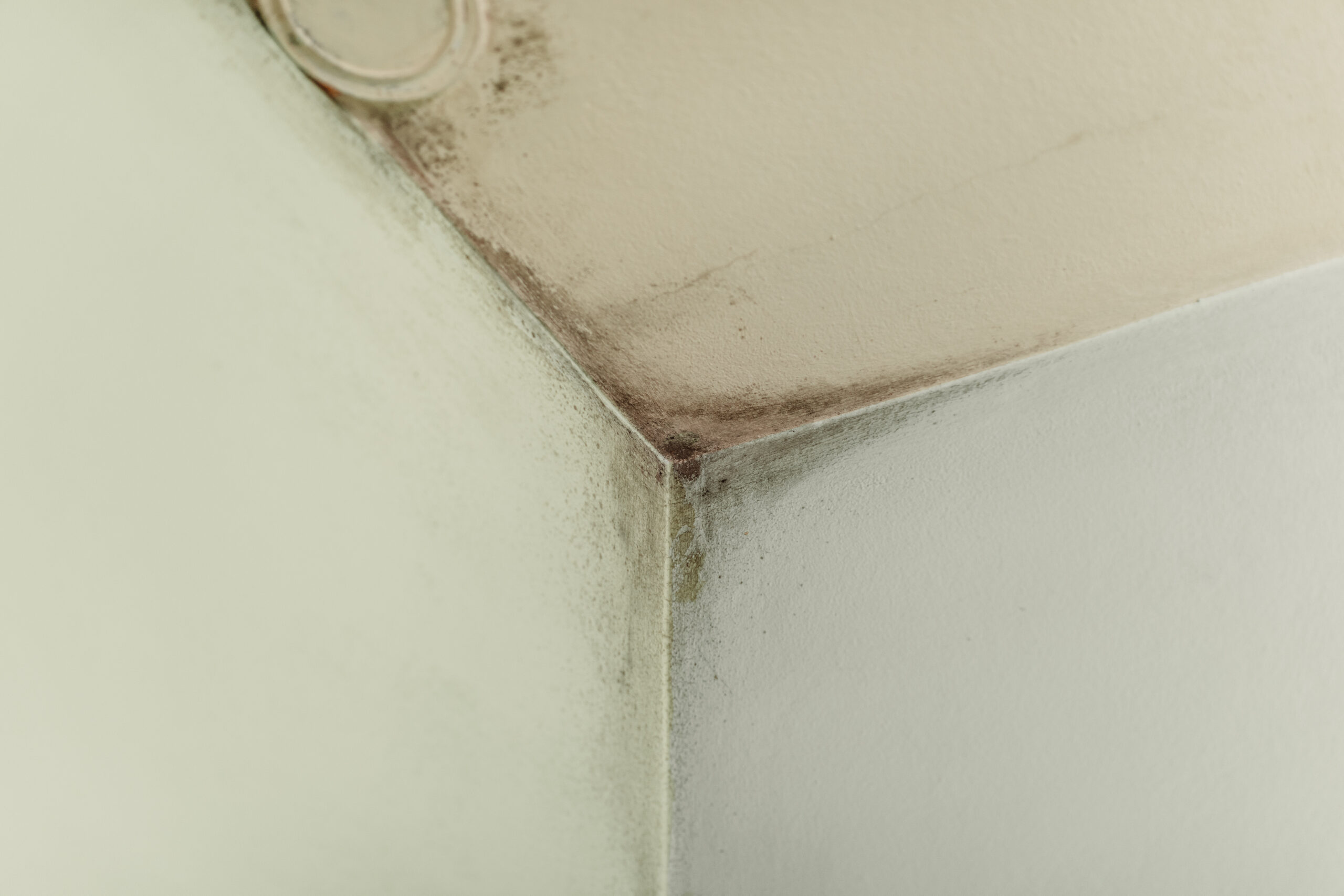
There is rarely a dramatic moment when toilet waterproofing fails – the symptoms creep up. The most obvious is a damp patch or water stain appearing on the ceiling of the unit below yours, or in the room beside your bathroom. You may also notice tiles becoming loose, grout discolouring, a persistent musty smell, peeling paint near the bathroom door frame, or a soft, spongy feel under certain floor tiles.
Many owners only act when their downstairs neighbour knocks on the door with a complaint. By that point, water seepage repair Singapore-style usually involves two parties, an MCST investigation, and a more complicated repair scope. Calling a toilet waterproofing contractor Singapore residents trust at the first sign of dampness – not after a neighbour disputes – saves you both money and goodwill.
Balconies sit awkwardly between indoor and outdoor zones, and that is exactly why they get neglected. Most owners do not think of a balcony as a ‘wet area’ the way a bathroom obviously is, yet a Singapore balcony absorbs heavy rainfall almost daily for months on end. Wind-driven rain pushes water up against walls and door thresholds, while pooling occurs at any spot where the screed has settled or sloped incorrectly.
Add to this the constant UV exposure, which slowly degrades sealants and exposed membranes, and you have a wet area that is arguably under more stress than your toilet – but is rarely given the same attention. By the time leaks appear, water has often been trickling into the slab for years, with damage to the unit below already underway.
Watch for tiles that sound hollow when tapped, swelling or peeling at the base of walls adjoining the balcony, dampness on the ceiling of the unit below your balcony, white efflorescence stains, or a pungent damp smell after rain. Cracked grout lines and gaps at skirting tiles are early warning signs that a contractor offering balcony waterproofing Singapore homes regularly need can address before the issue spreads.
If you have planter boxes adjoining your balcony, treat them with even more suspicion. Soil holds moisture against the slab continuously, and many older properties have planters that were never adequately tanked.
There are two broad approaches to waterproofing an existing wet area. The traditional method involves hacking – removing the existing tiles, screed, and old membrane, then rebuilding the system from the slab up with a fresh waterproofing membrane, screed with proper falls, and new tiles. It is more disruptive and expensive, but it produces the most durable, long-term result and is usually the right choice for severely failed bathroom waterproofing Singapore homeowners can no longer patch.
No-hacking solutions, by contrast, apply specialised crystalline or polymer treatments directly over existing tiles. These methods are faster, cheaper, and minimally disruptive, and they work well for early-stage seepage where the slab and tiling are otherwise sound. They are not, however, a magic fix – if the underlying screed is saturated or the slab is cracked, no surface treatment will hold up. A reputable contractor will be honest about which approach genuinely fits your situation.
A serious waterproofing job is not just slapping a coat of liquid membrane on the floor. It begins with a proper diagnosis: water testing, moisture readings, and identification of the actual source. Then comes preparation – surface cleaning, crack treatment, priming, and installation of fillets at floor-to-wall junctions to eliminate the sharp 90-degree corners where membranes are most likely to fail.
The membrane itself should be applied in multiple coats, with reinforcing fabric at junctions and around floor traps. Each coat should be allowed to dry properly before the next is applied. Once cured, a flood test confirms the system is watertight before screed and tiles go back. Documentation – photos, product details, and the flood test result – should be handed over so you have a record of what was done.
Not all waterproofing contractors are equal. Look for a team that uses recognised, third-party-certified membrane systems rather than generic products, that offers a written workmanship warranty, and that is upfront about what method suits your situation rather than defaulting to whichever option is more profitable for them.
Ask for references, photos of past projects, and a clear, itemised quotation. A trustworthy waterproofing contractor Singapore property owners recommend will happily walk you through their process, explain what is happening at each stage, and point out anything they spot that needs attention beyond the original scope. Cheap quotes that skip surface preparation, fillets, or flood testing are almost always false economy.
Water damage in Singapore homes is rarely caused by one big event – it is the slow, daily drip of unseen seepage that does the real harm. Toilets and balconies are the two wet areas where that damage most often begins, and they are also the two where homeowners notice problems too late.
If you are seeing the early signs of seepage, or if your existing waterproofing is more than 15 years old, it is worth getting a professional inspection now rather than after your neighbour calls. A well-executed waterproofing job is one of the highest-return repairs you can make to a Singapore property – quietly protecting the slab, your finishes, and your relationship with the people living below you.
How long does professional toilet waterproofing last in Singapore?
A properly executed full waterproofing system, with hacking and re-tiling, typically carries a workmanship warranty of 5 to 10 years and can perform well for 15 to 20 years or more before needing replacement. No-hacking treatments generally last 3 to 7 years, depending on the product and the condition of the underlying slab.
Do I need to move out during waterproofing works?
For a full hacking job in your only bathroom, you may need to make alternative arrangements for 5 to 10 days, or arrange to use another toilet in the home. For balcony works or no-hacking treatments, you can usually remain in the unit with limited disruption. Your contractor should give you a clear day-by-day schedule before works begin.
Who pays for water seepage repair when it affects the unit below?
In most cases, the source unit – the upstairs party – is responsible if the leak is traced to their plumbing or waterproofing. If the issue lies in common property such as external facade or shared piping, the MCST is typically liable. Disputes are usually resolved through joint inspections, and sometimes through the Strata Titles Boards.
Is no-hacking waterproofing as good as the traditional hacking method?
It depends entirely on the condition of the existing waterproofing and slab. For early-stage or minor seepage in otherwise healthy structures, no-hacking solutions perform well and are less disruptive. For severely deteriorated systems, saturated screeds, or cracked slabs, hacking is almost always the more lasting answer.
How much does balcony waterproofing Singapore properties typically need cost?
Costs vary with balcony size, the method used, and the extent of preparatory works. No-hacking treatments are generally the most affordable, followed by partial repairs, with full hacking and rebuild at the higher end. Get at least two quotes from licensed contractors and confirm what is and is not included in each.