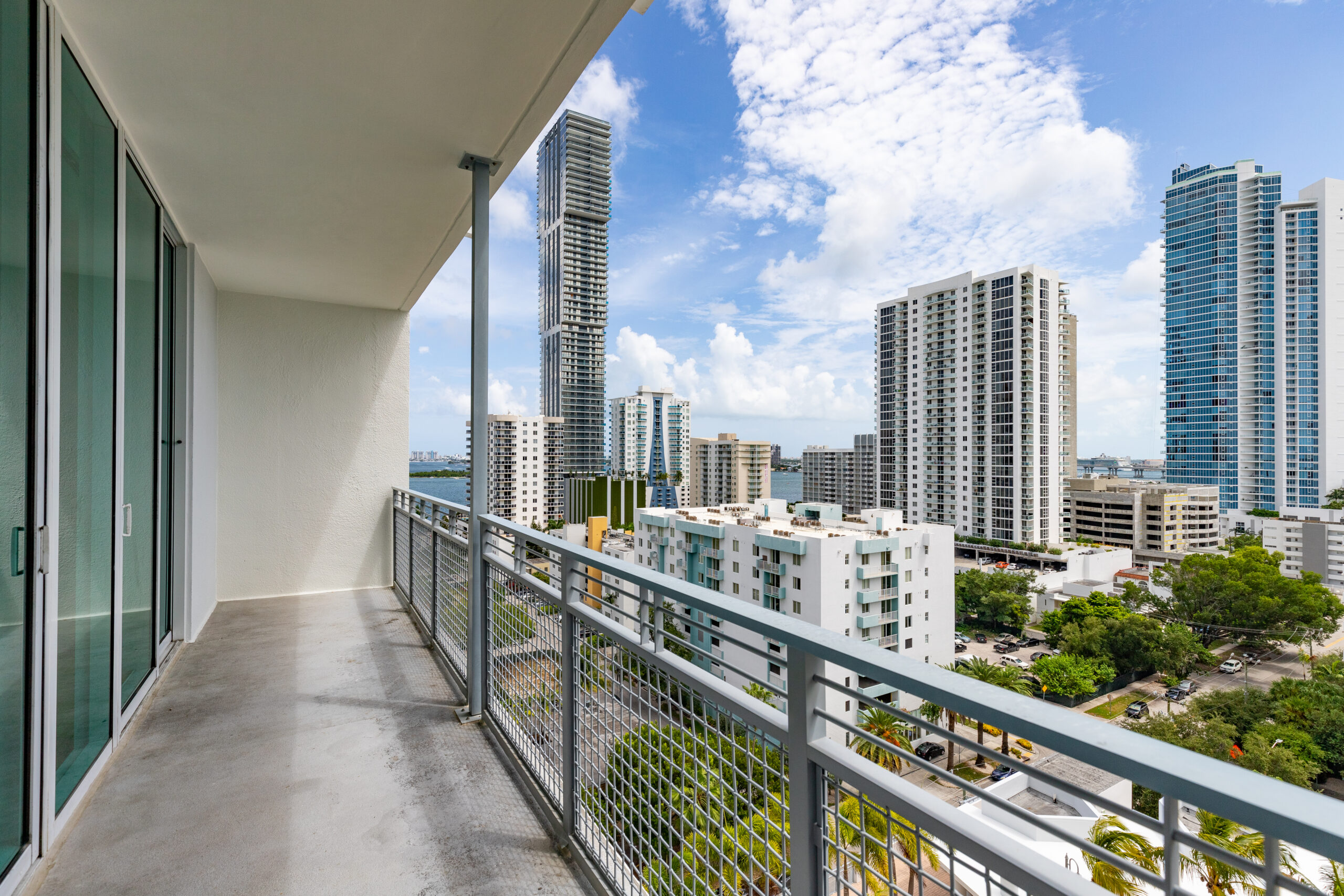
Building facade safety is a critical priority for Singapore’s urban landscape. With thousands of high-rise structures dotting the city-state, maintaining the integrity of building exteriors directly impacts public safety and property values.
The rising risks of ageing buildings and falling facade elements have prompted significant regulatory action. Each year, the Building and Construction Authority (BCA) receives approximately 30 reports of falling facade components, presenting serious hazards to pedestrians and building occupants below.
The Periodic Facade Inspection Singapore regime represents a cornerstone of the nation’s building safety framework. Implemented on 1 January 2022, this mandatory inspection programme works alongside other regulatory measures to ensure Singapore’s built environment remains safe, sustainable, and well-maintained throughout its lifecycle.

The PFI regime Singapore is a proactive regulatory framework designed to systematically assess and maintain building facades. It requires building owners to conduct comprehensive inspections of their property’s exterior elements at regular intervals.
The mandatory inspection cycle operates on a seven-year frequency for qualifying buildings. This means once a building reaches 20 years of age, it must undergo its first facade inspection, with subsequent assessments required every seven years thereafter.
The fundamental difference between reactive repairs and preventive facade inspections lies in timing and cost. Reactive repairs address problems only after they become visible or cause incidents, often resulting in higher costs and safety risks. Preventive inspections, by contrast, identify deterioration early, allowing building owners to plan maintenance strategically and avoid emergency situations that compromise safety and inflate expenses.
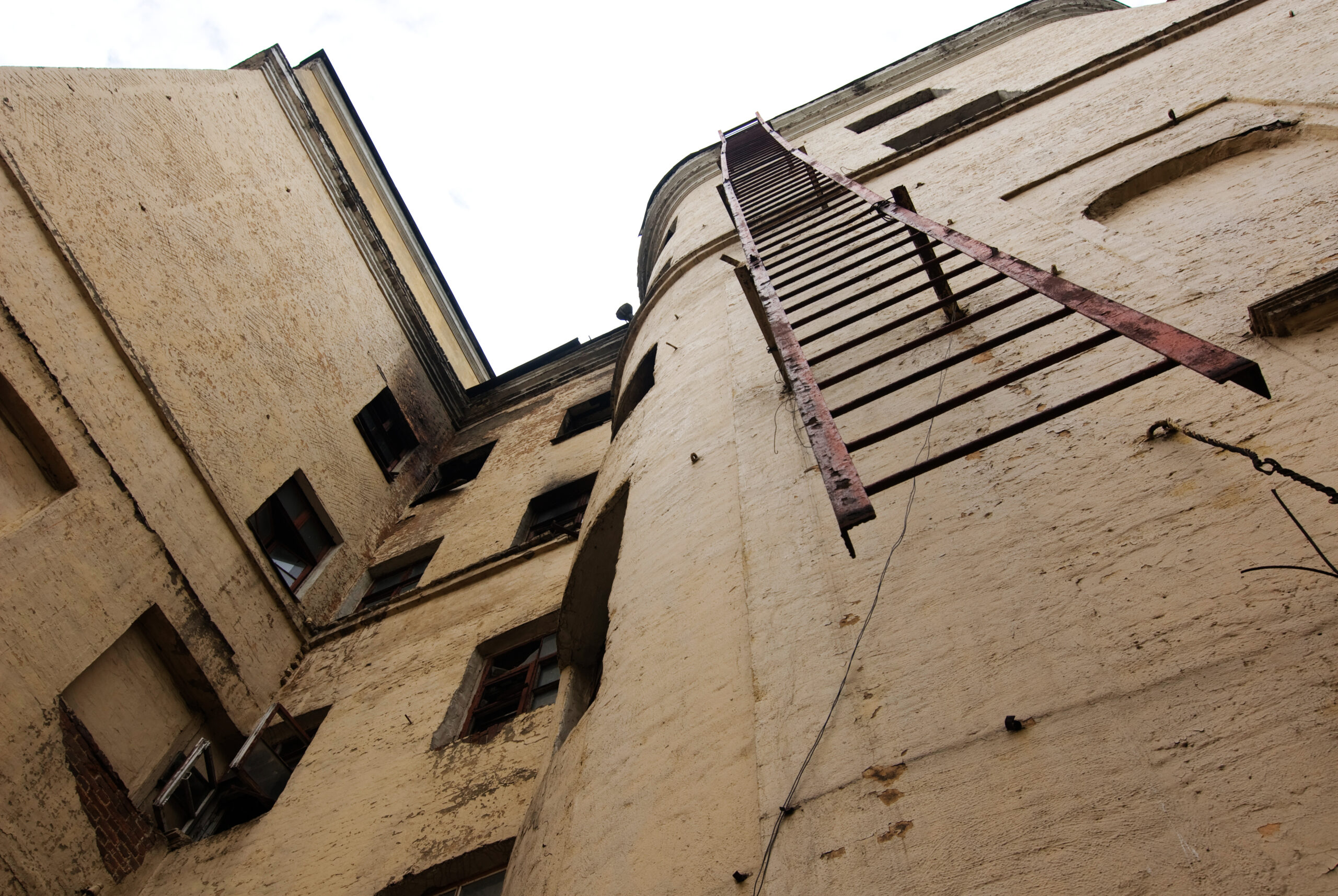
The introduction of the PFI regime in Singapore stems from documented incidents involving falling facade components. Over the years, loose tiles, cracked concrete, and dislodged cladding have caused injuries and property damage, underscoring the urgent need for systematic oversight.
Proactive inspections play an essential role in public safety by detecting deterioration before failure occurs. Regular assessments enable building owners to identify warning signs such as cracking, corrosion, or material degradation that might not be visible from ground level.
Beyond safety, the PFI regime supports long-term asset value and risk reduction. Buildings with well-maintained facades command higher market values, attract quality tenants, and avoid the reputational damage associated with facade incidents. For Management Corporation Strata Titles (MCSTs) and property owners, compliance with PFI requirements demonstrates responsible stewardship and protects against potential liability claims.
The minimum age threshold for inspection is 20 years, calculated from the date of the Temporary Occupation Permit (TOP) or Certificate of Statutory Completion (CSC). Buildings younger than 20 years are exempt from PFI requirements.
Height and facade exposure considerations also determine compliance obligations. Buildings must exceed 13 metres in height, measured from ground level to the highest point (excluding roof-mounted installations such as antennas). This threshold ensures the regime focuses on structures where falling components pose the greatest public safety risks.
Commercial buildings form a significant portion of properties subject to building facade maintenance Singapore requirements. These include office towers, retail centres, and mixed-use developments with commercial components.
Residential apartments and condominiums over 13 metres and 20 years old must comply with facade inspection requirements. This encompasses the majority of Singapore’s high-rise residential stock, where thousands of residents depend on proper facade maintenance.
Mixed-use developments fall under PFI jurisdiction when they meet the age and height criteria. These properties often present unique challenges due to varied facade materials and complex ownership structures.
Office towers and strata-titled buildings require careful coordination between building owners, MCSTs, and facility managers to ensure timely compliance. In strata developments, the MCST typically assumes responsibility for engaging professionals and managing the inspection process.
Exemptions from the PFI regime include detached houses, semi-detached houses, terraced or linked houses used solely as residences, temporary buildings, and structures 13 metres or lower in height.

Facade inspectors employ various access methods to conduct thorough assessments. Rope access techniques allow certified technicians to examine facade elements at close range, offering flexibility and cost-effectiveness for buildings where other access methods prove impractical.
Gondolas provide stable platforms for detailed inspections of large facade areas. Scaffolding may be erected for extensive assessments or when concurrent repair works are planned.
Non-intrusive facade assessment techniques have advanced significantly in recent years. Unmanned Aircraft Systems (UAS), commonly known as drones, enable visual inspection from multiple angles without physical contact. Infrared thermography detects hidden defects such as delamination or moisture infiltration that aren’t visible to the naked eye.
The inspection process comprises two key components: a 100% visual inspection of all facade elements and a minimum 10% close-range inspection of each building face. This dual approach ensures comprehensive coverage while maintaining cost-efficiency.
Cracked concrete and spalling represent some of the most frequently observed defects. Spalling occurs when concrete surfaces peel or flake due to moisture penetration and reinforcement corrosion, creating falling hazards if left unaddressed.
Loose tiles and cladding pose immediate safety risks. Thermal expansion, water ingress, and adhesive failure can cause tiles to detach without warning, making early detection through periodic inspections critical.
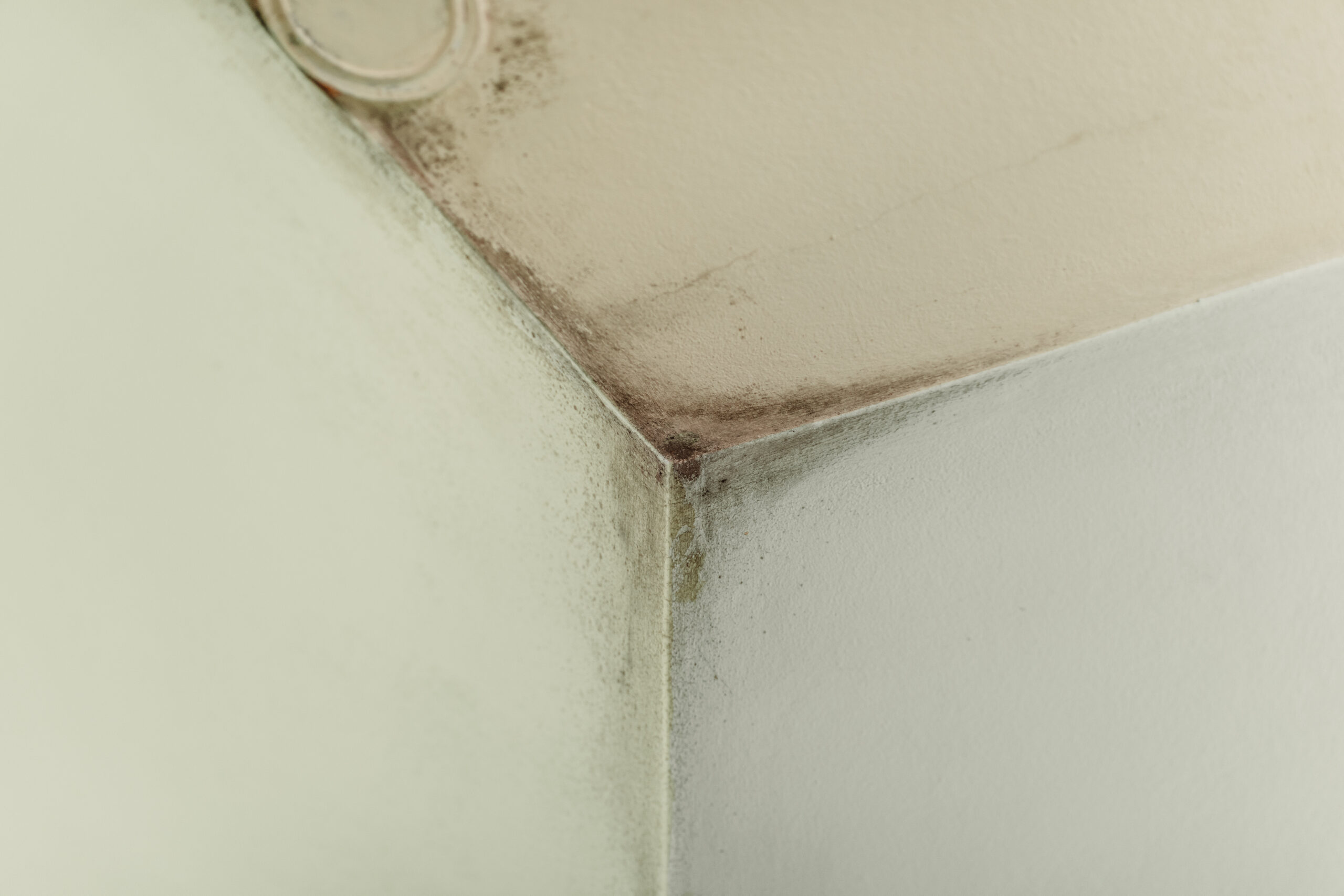
Water ingress and sealant failure accelerate facade deterioration. Failed sealants allow moisture to penetrate wall assemblies, leading to corrosion, material degradation, and interior damage. Regular assessments identify compromised seals before they cause extensive secondary damage.
Corrosion of facade elements affects metal components including window frames, cladding supports, and anchoring systems. In Singapore’s humid climate, corrosion progresses rapidly without proper protective measures, making timely identification and treatment essential.
Professional Engineers and qualified inspectors with specific credentials conduct Periodic Facade Inspection Singapore. The Competent Person (CP) must be either a Professional Engineer registered in civil or structural engineering, or a Registered Architect with the Board of Architects.
Both CPs and Facade Inspectors (FIs) must complete and pass the mandatory “Certificate in facade Inspection” training course. This specialized programme, offered by BCA Academy and the Institution of Engineers Singapore Academy, equips professionals with essential knowledge and skills for conducting compliant facade assessments.
Regulatory oversight by the Building and Construction Authority ensures inspection quality and consistency across the industry. BCA maintains registries of qualified professionals, reviews inspection reports, and may conduct joint inspections to verify compliance with established standards.
The importance of engaging experienced facade specialists cannot be overstated. Qualified professionals understand Singapore’s specific climatic challenges, building codes, and construction practices. They can accurately assess defect severity, recommend appropriate remedial measures, and ensure inspection methodologies meet regulatory requirements.
Inspection intervals follow a strict seven-year cycle once buildings reach 20 years of age. BCA issues advisory notices at least one year before inspections are due, providing building owners adequate time to prepare.
Planning ahead to avoid compliance issues proves crucial for smooth execution. Property owners should begin identifying qualified CPs and assessing budget requirements well before BCA serves the formal Notice of Inspection. Early planning allows for better coordination with other maintenance activities and avoids the premium costs associated with rushed engagements.
Inspection reports and documentation must be submitted to BCA through the appointed CP. Reports detail facade conditions, identify defects, classify their severity, and recommend necessary rectification measures.
Required rectification timelines depend on defect severity. Defects posing immediate safety risks require urgent attention, while less critical issues may be addressed according to prescribed schedules. Building owners must engage qualified contractors to complete recommended repairs.
Re-inspection and verification processes ensure remedial works meet required standards. For extensive repairs, BCA may require certification confirming works were completed in accordance with approved plans and relevant codes of practice.
Legal penalties and enforcement actions await building owners who fail to comply with facade inspection requirements. Under the Building Control Act, building owners face fines up to S$10,000, imprisonment of up to 12 months, or both for neglecting facade maintenance responsibilities.
Safety risks to occupants and pedestrians multiply when inspections are delayed or ignored. Falling facade elements can cause serious injuries or fatalities, creating liability exposures far exceeding compliance costs.
Insurance, liability, and reputational implications extend beyond immediate penalties. Properties with poor maintenance records may face higher insurance premiums or coverage restrictions. In worst-case scenarios, facade failures can result in substantial damage claims, regulatory sanctions, and lasting harm to property values and owner reputations.
The relationship between PFI, structural inspections, and routine maintenance creates opportunities for strategic coordination. While Periodic Structural Inspection (PSI) examines structural elements such as columns and beams, PFI focuses specifically on facade components. Both operate on different cycles; PSI typically follows a five-year interval but it can be planned to optimize access equipment usage and minimize disruptions.
Cost savings through early defect detection represent one of the most compelling benefits of proactive building facade maintenance Singapore. Addressing minor cracks or sealant failures during routine inspections costs significantly less than emergency repairs following component failures. Early intervention also prevents secondary damage that amplifies repair complexity and expense.
Extending building lifespan through proactive care delivers long-term value that far exceeds inspection costs. Well-maintained facades protect structural elements, preserve interior conditions, and maintain aesthetic appeal. Buildings with documented maintenance histories command premium valuations and attract quality tenants who recognize the importance of responsible property management.

Inspection versus repair cost considerations often challenge property owners and MCSTs. While inspection fees are relatively predictable, repair costs vary widely depending on defect severity and extent. Buildings that have deferred maintenance typically face substantially higher remediation expenses than those maintaining regular upkeep schedules.
Long-term maintenance budgeting requires realistic reserve fund planning. MCSTs should establish dedicated sinking funds that account for seven-year inspection cycles and anticipated repair works. Professional quantity surveyors can help estimate lifecycle costs and guide appropriate contribution levels.
Managing inspections in occupied buildings presents logistical challenges. Rope access operations, gondola deployments, and scaffolding installations require coordination with residents or tenants to ensure safety and minimize inconvenience.
Minimising disruption to tenants and businesses demands careful planning and clear communication. Property managers should provide advance notice, explain safety measures, and establish clear timelines. Coordinating PFI with other scheduled maintenance activities, such as Repair and Redecoration (R&R) works, reduces the frequency and duration of disruptions while achieving cost efficiencies through shared access equipment.
B+W Integrated Services provides end-to-end facade inspection and rectification support tailored to Singapore’s regulatory requirements. Our comprehensive approach addresses every phase of the compliance process, from initial assessment through final certification.
Our expertise in access solutions and repair works ensures efficient, safe inspections regardless of building configuration. We deploy appropriate access methods based on building characteristics, surrounding environment, and cost considerations. This includes rope access, gondolas, and mobile elevated work platforms.
The compliance-driven approach aligned with Singapore regulations distinguishes our service delivery. Our team stays current with BCA guidelines, Building Control Act requirements, and industry best practices. We work closely with qualified CPs and maintain transparent communication throughout the inspection and repair process, ensuring building owners and MCSTs understand findings, recommendations, and regulatory obligations.
As part of the B+W Group, our integrated services model allows us to coordinate facade inspections with related maintenance needs such as waterproofing, concrete repairs, and protective coatings. This holistic approach optimizes scheduling, reduces costs, and ensures comprehensive property care that extends beyond minimum compliance requirements.
The Periodic facade Inspection Singapore regime represents far more than a legal obligation as it constitutes a long-term investment in property safety, value, and sustainability. Buildings maintained through regular inspections and timely repairs preserve their market position, avoid costly emergency interventions, and demonstrate responsible ownership.
The importance of working with experienced maintenance specialists cannot be emphasized enough. Qualified professionals bring technical expertise, regulatory knowledge, and practical experience that ensure inspections meet compliance standards while delivering actionable insights for property improvement.
Forward-thinking property owners view facade inspection requirements not as burdens but as opportunities to optimize maintenance strategies, extend asset lifespans, and protect their investments. In Singapore’s competitive property market, buildings with documented compliance and proactive maintenance command premium valuations and attract discerning tenants who prioritize safety and quality.
Property owners, MCSTs, and facility managers should act early to prepare for upcoming inspection obligations. Waiting until BCA serves a formal notice limits planning time and may result in higher costs due to compressed timelines.
B+W Integrated Services stands ready to support your building facade maintenance Singapore needs with comprehensive solutions that address both regulatory compliance and long-term property care. Our experienced team understands the unique challenges facing Singapore’s building stock and delivers reliable, efficient service that minimizes disruption while maximizing value.
Whether your building is approaching its first PFI or managing ongoing maintenance cycles, our integrated approach ensures seamless coordination of inspection, repair, and certification activities. We handle the technical complexities, navigate regulatory requirements, and provide transparent communication throughout the process.
Don’t wait for falling facade elements or enforcement notices to prompt action. Protect your property, occupants, and investment by partnering with maintenance specialists committed to safety, quality, and compliance.
Contact B+W Integrated Services today to discuss your Periodic facade Inspection requirements. Our team is ready to provide expert guidance, detailed assessments, and comprehensive solutions tailored to your property’s specific needs.
Call us at +65 6283 5329 or email Sales@bwis.com.sg to schedule a consultation and take the first step toward confident compliance with Singapore’s building facade maintenance regulations.
The PFI regime aims to enhance public safety by facilitating early detection of facade deterioration. Regular inspections allow building owners to identify and rectify defects before they lead to component failures, reducing the risk of falling facade elements that could cause injuries or property damage.
PFI costs vary based on building size, height, facade complexity, and access requirements. Factors influencing pricing include the total facade area to be inspected, number of building faces, access method required, and whether advanced technologies like drone surveys or infrared thermography are employed. Building owners should obtain detailed quotations from qualified CPs that specify scope of work and deliverables. While inspection fees represent an investment, they are significantly lower than costs associated with emergency repairs following facade failures.
Yes, coordinating PFI with activities such as Repair and Redecoration (R&R) works, painting, or waterproofing projects can yield substantial cost savings. Since these activities often require similar access equipment such as gondolas or scaffolding, scheduling them concurrently reduces mobilization costs and minimizes disruption to building occupants. Property owners planning major refurbishment works should consult with their CP to optimize timing and maximize efficiency.
Buildings don't technically "fail" PFI inspections, but reports will identify defects requiring rectification. Defect classifications typically include categories such as "Safe," "Require Repair," and "Unsafe." Building owners must address identified defects according to recommended timelines, with urgent safety issues requiring immediate attention. BCA reviews submitted reports and may conduct verification inspections. Failure to complete required rectification works within prescribed timeframes can result in enforcement action, including penalties under the Building Control Act.
For strata-titled properties, repair costs for common property facade elements typically fall to the MCST, funded through maintenance contributions and sinking funds. In cases where defects result from modifications made by individual unit owners, those owners may bear responsibility for related repairs. For non-strata properties, building owners are responsible for all inspection and repair costs. Proper budgeting and reserve fund planning help property owners and MCSTs manage these obligations without imposing sudden financial burdens on stakeholders.

B+W Integrated Services specialises in property maintenance and handyman services in Singapore, including waterproofing & leak detection, plumbing & sanitary, electrical maintenance, painting & protective coatings, aircon servicing, reinstatement works, network cabling & CCTV, and carpentry & interior fitting-out works. Backed by a dedicated team and a commitment to quality, we deliver prompt, reliable service for homes and businesses alike.
Flagship Company:
B+W Builders Private Limited – flagship company of the B+W Group, providing building construction, A&A and project management in Singapore.
https://boonwoh.com.sg
Affiliated Group Companies:
B+W Integrated Services – property maintenance, repair and handyman services company in Singapore.
https://bwis.com.sg/
Firedoor.sg (coming soon) – specialist in fire-rated door supply, installation and replacement in Singapore.